Infinity Rising virtual land: how map ownership works—and how to read a parcel link
Infinity Rising sells a sky-country survival fantasy: you’re up in the clouds, crafting, building, and wandering into places that can …
NFT news · trends · speculation
Independent NFT and ApeCoin ecosystem news, trends, and clearly labeled speculation—editorial coverage for collectors and Web3 readers.
APE/USD trader desk: charts, Bollinger, RSI, MACD — plus narrative tables. Not financial advice.
Read Daily ApeChain trend report — 29 May 2026 → All reports
We track governance, culture, and liquidity around ApeCoin, Yuga Labs, Otherside, and collector communities—editorial analysis, not official statements from any project.
Infinity Rising desk plus a few ecosystem explainers—pinned here so they are easy to find before you scroll the full archive.
Infinity Rising sells a sky-country survival fantasy: you’re up in the clouds, crafting, building, and wandering into places that can …
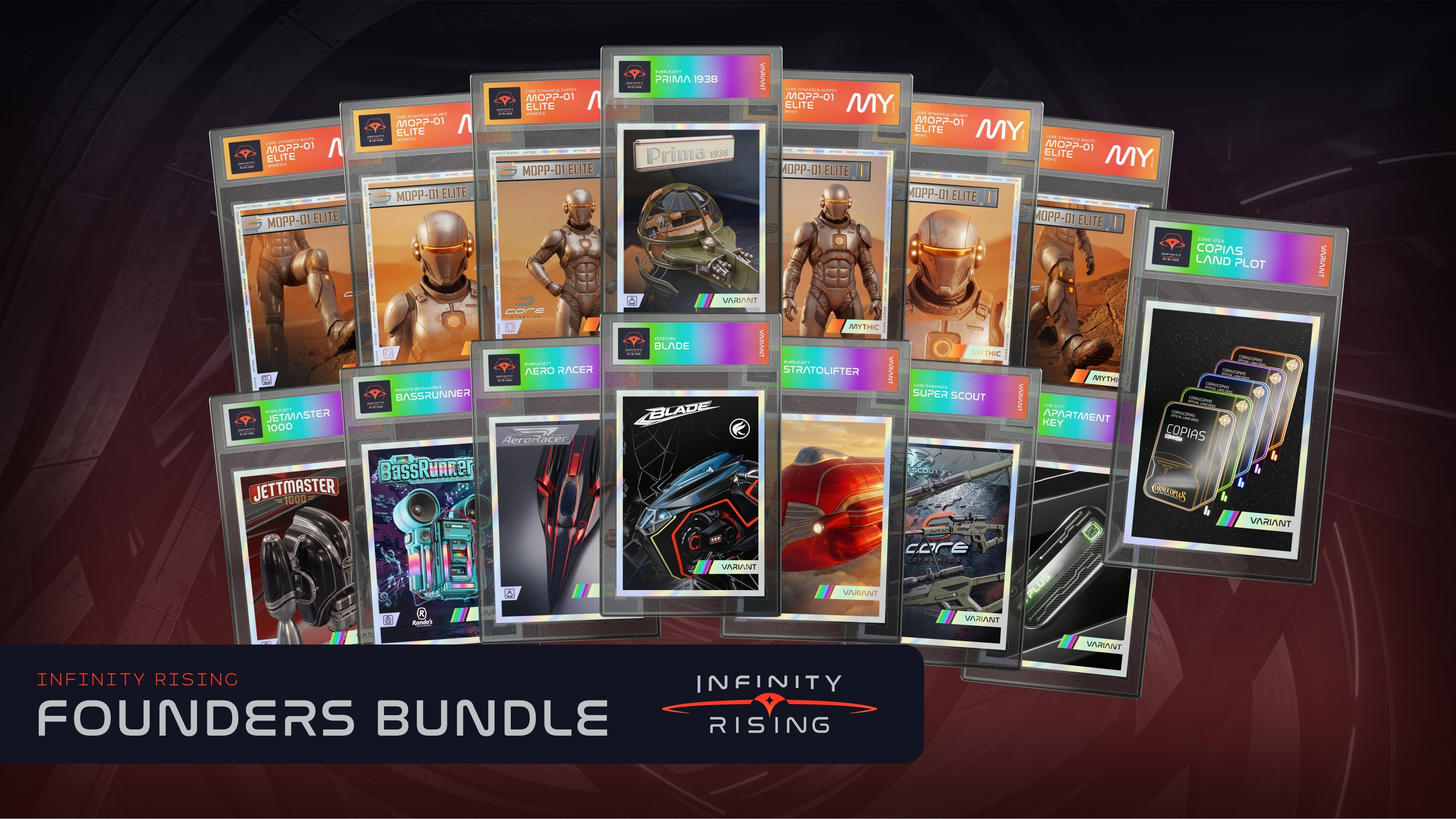
Infinity Rising grew out of the long Cornucopias community and now pitches itself as a big open-world MMO play. Their founders / …
If you were around Cornucopias, you already know this vocabulary: domes, sky highways, Unreal vistas that look like a theme park had a baby …
If you’ve spent any time on Infinity Rising, you know the roadmap isn’t just a PDF—it’s a rhythm. Weekly beats: partnerships, store …
Infinity Rising pitches itself as an open-world sandbox MMO in a sky-nation wrapper—craft, build, survive, get punched outside the safe …
NightGlyders keeps popping up on Ape-heavy timelines: neon art, glider motif, people talking about it in the same breath as G’s on Ape …
We bounce between a lot of worlds on this desk—governance votes, Yuga IP beats, indie games on chain, random Sunday holder meetups. This …
This is a cheat sheet: five weeks, five posts on this site worth pointing at, plus thread seeds and outbound links so you’re not reinventing …
Otherside and the stuff shipping on ApeChain are not the same product. They’re often the same people in the mentions, though—collectors who …
Most Web3 “SEO” tips boil down to keyword spam and praying. What actually works is answering the question people have—which is usually both …
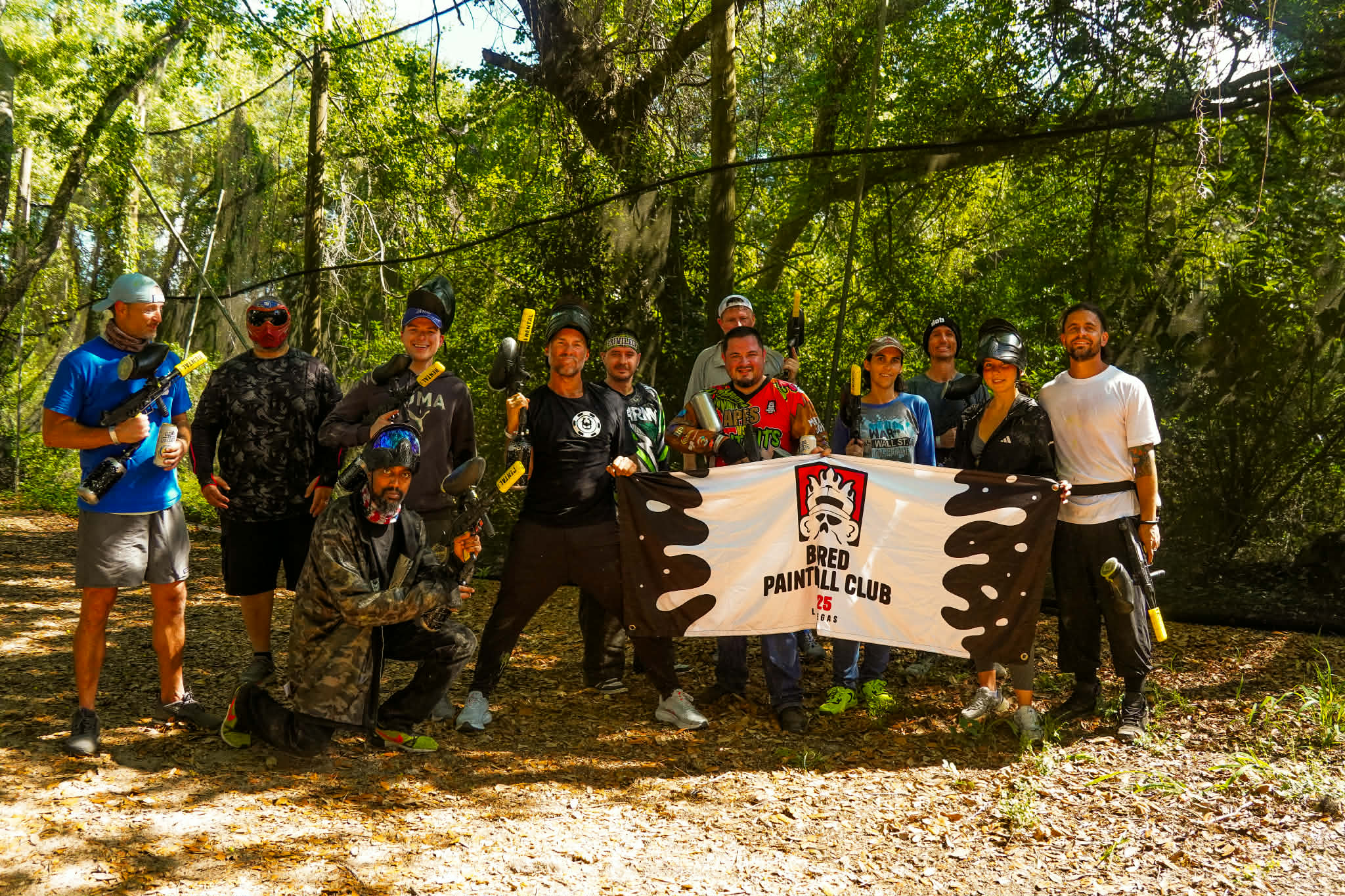
Holder life isn’t only Discords and mint clocks. Sometimes it’s rental masks, bruises you paid for, and driving to a field in Florida …
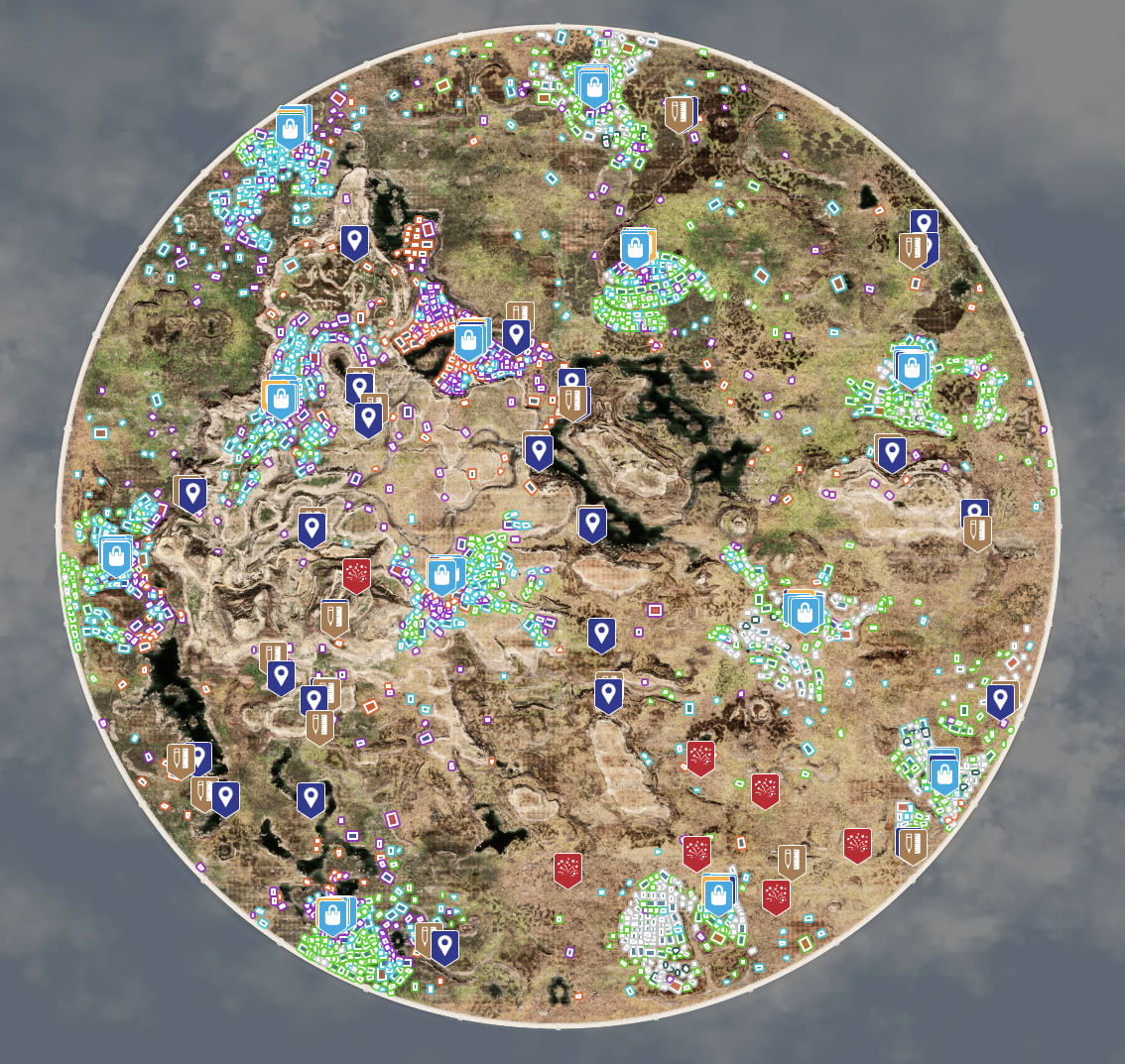
Top Side in Apescape spans 3,500+ land deeds (nft_0001…nft_3455) on a 128x128 parcel model, and it is a separate ownership system …
The Gs on Ape collection on ApeChain has been one of the loudest independent PFP lanes next to the official ApeCoin / Yuga stack—and lately, …
ApeCoin (APE) is the ERC-20 governance and utility token for the ApeCoin DAO: one billion supply at genesis, holders vote on proposals, and the APE Foundation executes what the DAO directs. Not a bank product—verify on apecoin.com and forums.
Use cases cluster around DAO voting, partner access passes, games and events, grants, and ecosystem incentives—each partner defines rules on its own timeline. Screenshots are not proof; confirm utility on official posts and product pages before acting.
Price is a moving snapshot: cite the venue, time, and whether you mean spot or a derivative print. We point to neutral aggregators for orientation, not execution advice—fees, spreads, and jurisdiction still sit with the reader.
ATH is a historical peak from a specific data vendor and venue, not a promise it repeats. Name the source, currency, and date; remember revisions happen. Pair peak talk with drawdowns, liquidity, and what changed after the headline faded.
Similar can mean correlation, holder overlap, or narrative bucket—not the same issuance or governance. Say what dimension you compare (volatility, float, voters) and avoid treating a temporary trend line as shared fundamentals.
Popularity spans social mentions, voter turnout, exchange listings, and builder integrations—each measures something different. Loud timelines can coexist with thin governance participation; cross-check metrics and watch for bot or wash noise.
APE moves as ERC-20 balances, transfers, and allowances; wrapped or bridged forms use their own contracts—read the one you sign. It powers DAO votes plus partner utility layered on wallet-security basics everyone should still follow.
History means documented launches, DAO formation, major votes, and named integrations—not rumor threads. NFT culture overlaps the story in headlines, but keep legal entities, collections, and the DAO separate unless a primary source ties them.
Market cap is usually price times circulating supply using the vendor’s definition—vendors disagree on what counts as circulating. Timestamp your reference; big jumps sometimes reflect methodology or supply restatements more than a single trade.
24h volume sums trades venues report; it hints at attention and liquidity but can spike from transfers, rebases, or definitional quirks. Read it with spreads, depth, and whether a real catalyst backs the print or it is mechanical noise.
There are one billion APE tokens minted at genesis total supply; circulating floats move with unlock schedules, staking labels, and how analytics firms count wallets. Clarify whether you mean total, circulating, or concentrated holder buckets.
Trading activity covers price paths, volume, volatility, and venue-specific flow. Useful coverage ties prints to catalysts—macro, governance outcomes, listings, or launches—and labels what is verified fact versus trader speculation.